
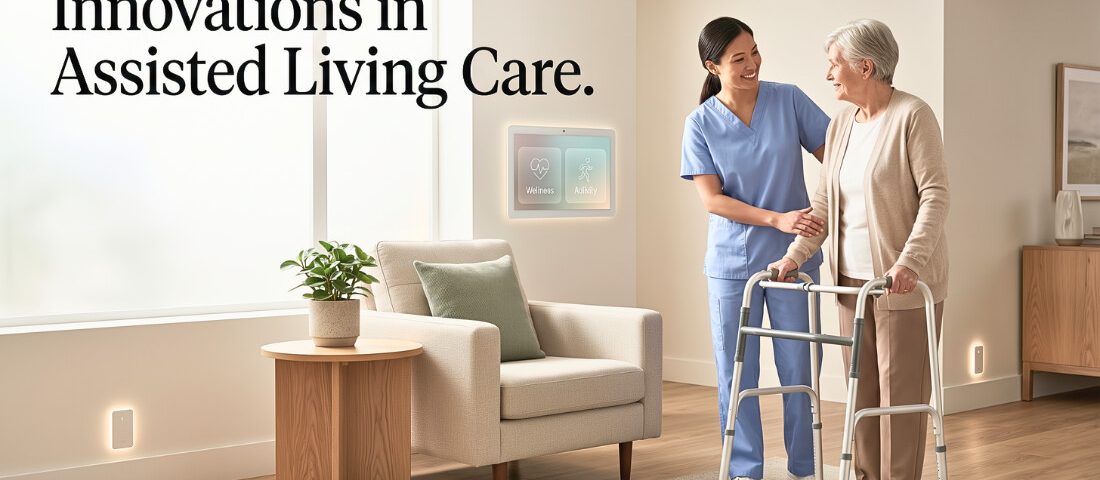
Technology has been part of assisted living for decades. Call systems and electronic records handled the basics and mainly stayed out of sight.
For a long time, that was enough. Today, it isn’t. Technology is being asked to play a more visible, more meaningful role in daily care.
Real pressure drives this shift. Staffing shortages stretch teams thin. Regulations continue to evolve. Families demand more transparent communication and faster responses.
In this environment, novelty has little value. Technology that solves real problems, supports caregivers, and improves residents’ lives is what matters.
This post explores how technology in assisted living can improve care and operations.
Adopting Tech the Right Way
Adopting technology simply to keep up with the latest solutions is not the answer. The wrong technology decisions create more problems than they solve.
Instead of simplifying work, technology can often make it harder. More steps. More screens. More frustration. When that happens, teams stop using the tools altogether.
Organizations must avoid these outcomes. Today’s operating environment demands focus and discipline. Before adopting new tools, communities now ask three practical questions:
- Does this reduce the cognitive load on our staff?
- Does it integrate cleanly with the systems we already use?
- Does it help us act proactively rather than react to problems?
These questions are critical. The answers can tell you whether a technology tool has genuine value and is worth investing in.
Where Technology Meets Care
The best innovations are not replacing human touch. They enhance it. Technology works quietly in the background so caregivers can spend more time with residents.
- Passive Monitoring: Sensors track routine behavior and flag unusual activity. These catch potential health issues before they escalate.
- Streamlined Documentation: Point-of-care digital entries cut hours of paperwork. As a result, staff can spend more quality time with residents.
- Unified Communication: Integrated systems break down silos between nursing, dining, and administration. Nothing falls through the cracks during shift changes.
These tools are already improving safety, efficiency, and care quality in real assisted living communities.
Helping Staff Work Smarter
For technology to deliver results, staff adoption is among the most critical metrics. If a tool feels like a burden, it will fail.
The most effective tools are almost invisible, fitting seamlessly into a caregiver’s day. By automating tasks like scheduling and reporting, staff can spend more time with residents.
Technology should expand a team’s capacity, not test their patience.
Strengthening Resident Safety
Safety starts with predictable routines. Technology serves as a digital safety net, ensuring consistent care even when staff are busy or stretched thin.
- Early Intervention: Fall detection and automated vital sign monitoring help staff act quickly and accurately.
- Routine Alerts: Reminders for medications, hydration, or therapy help residents stay on track.
- Environmental Monitoring: Sensors detect hazards like temperature extremes or unattended stoves, preventing accidents.
- Peace of Mind: Real-time updates and consistent care delivery reduce family anxiety and strengthen their trust.
Used thoughtfully, technology makes care safer, more reliable, and easier for families to trust.
Protecting Privacy and Connection
The biggest concern is apparent: fear that technology will replace human connection.
When implemented responsibly, technology does the opposite. It handles repetitive tasks like data entry, filing, and basic monitoring. That gives caregivers more time to do what only humans can do. They provide empathy, companionship, and nuanced care.
Technology should enhance connection, not replace it.
How to Choose the Right Tech
When considering a new platform or vendor, look past the marketing and focus on real-world fit. Ask these key questions:
- Interoperability: Does it integrate smoothly with our existing EHR and communication systems?
- Usability: Can a new hire learn the basics in 15 minutes or less?
- Scalability: Does it perform as well for 20 residents as it does for 200?
- Measurability: Does the vendor provide precise data on time saved or incidents prevented?
A strong technology choice balances ease of use, measurable impact, and long-term adaptability.
Common Questions About Technology in Assisted Living
Will technology replace the human touch?
No. Modern technology handles repetitive tasks like data entry, filing, and basic monitoring. It frees staff to focus on empathy and direct resident care.
How is resident privacy protected?
Privacy is a top priority. Sensors use thermal imaging or silhouettes instead of standard cameras. Data encryption and HIPAA compliance protect residents while preserving their dignity.
Can staff who aren’t tech-savvy use these tools?
Yes. Many platforms are intuitive, like a smartphone app. Point-of-care access and visual dashboards make adoption easy. Hands-on training shows staff how tech saves time in daily routines.
Is the investment cost-effective?
It is in many cases. Technology can reduce risk, cut overtime, and help retain staff. Fall detection lowers ER visits, while automated documentation decreases paperwork and burnout.
How does technology help families who live far away?
It creates transparency. Portals and apps give real-time updates on wellness, activities, and community events. Families stay connected without constant calls, easing anxiety and building trust.
Maximize Impact, Not Hype
Technology is a multiplier, not a fix. It can’t fix a broken culture, but it can make a strong culture stronger.
At Canopy Senior Living, we help leaders choose tools that support staff, protect residents, and advance your mission. Contact us to see how technology can make a real difference in your community.